
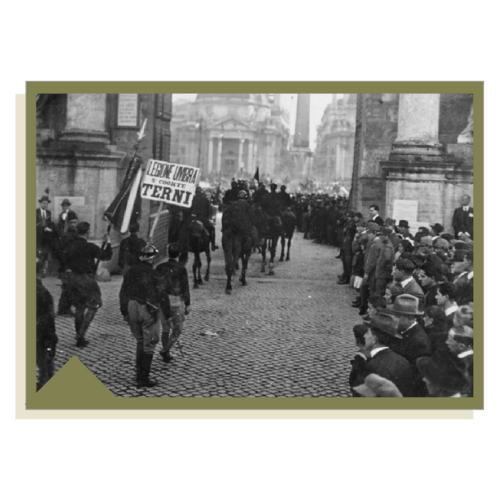
In this activity, students will first interrogate the concepts of fascism and propaganda to build a better understanding of these terms. Students will then learn about the internment of Italian Canadians in Canada during World War II and will build a profile of a real interned Italian-Canadian.
This activity was first designed to accompany our exhibition Through Vines and Mines: The Canadian Army in Italy. The exhibition is also available for free to your school by completing our reservation form.
Activity content
The purpose of this activity is to encourage students to reflect on the impact of the media and politics on individuals, using the internment of the Italian-Canadian community during World War II as an example. First, using their student guide, students will define specific terms: “fascism,” “propaganda,” “anti-Semitism,” and “nationalism.” Next, the class is encouraged to listen to the 1957 BBC hoax about the spaghetti trees. Students will then discuss the influence the media can have and, more seriously, how information can be manipulated.
In the second part of the activity, students will create a profile of an Italian-Canadian who was interned during World War II. Using the list of 590 interned Italian-Canadians, students will conduct original research on this person and present their story to the rest of the class through a video, a PowerPoint presentation, or an article.
The teacher’s guide describes the educational objectives of the activity, gives the correct answers and provides the necessary corrections.
Activity objectives
The goal of these activities is to allow secondary cycle two students to have a greater understanding of World War II and Canada’s role in the Italian Campaign. Students will also learn to appreciate the contributions of Canadian Armed Forces personnel from Quebec.
These activities were created as educational tools to complement the Quebec Education Program of secondary 4 History and secondary 5 History of the 20th and Contemporary World courses. In addition, these activities can also be used as language tools in the following courses: Francais langue maternelle (in secondary 3, 4 and 5), Français, secondary language, English, secondary language (in secondary 3, 4 and 5) and English Language Arts.
Activities you might also like
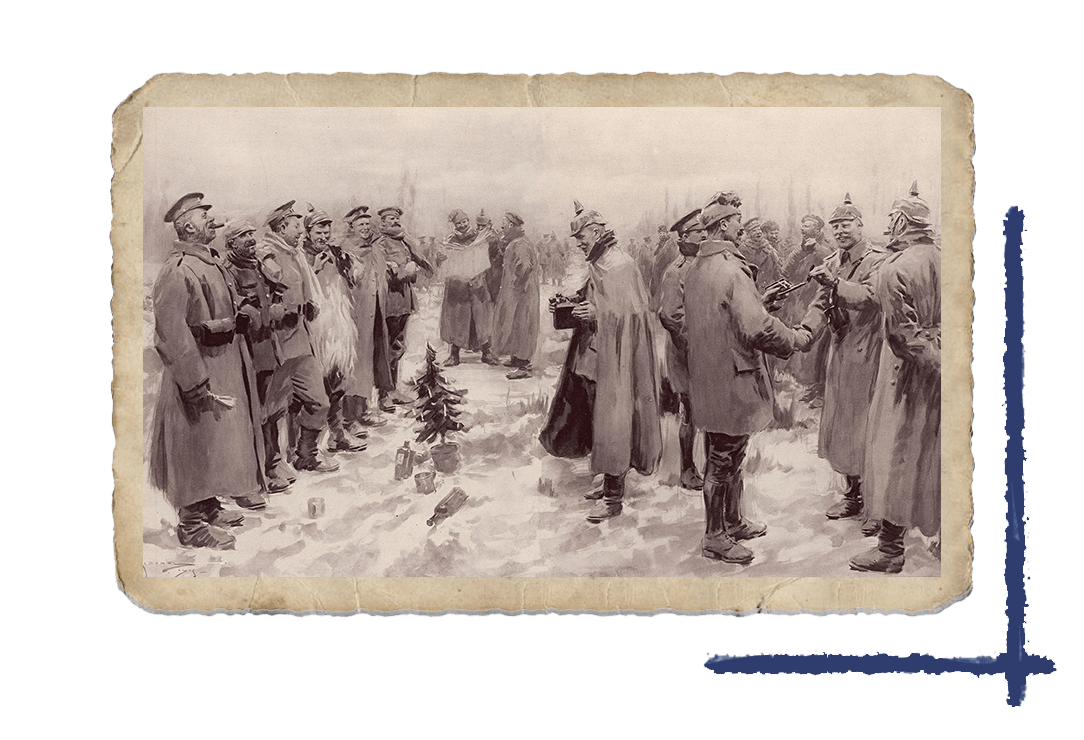
The Christmas Truce of 1914
On Christmas Eve 1914, thousands of German, Belgian, British, and French soldiers agreed to an impromptu truce to celebrate, creating one of the most memorable episodes of the war. Are you looking for a small activity to do during the Christmas break? This short and fun activity was designed specifically for the holiday season. Consisting of a presentation and an accompanying guide for teachers, this activity is an excellent addition to any lesson with little need for additional preparation by teachers or students.
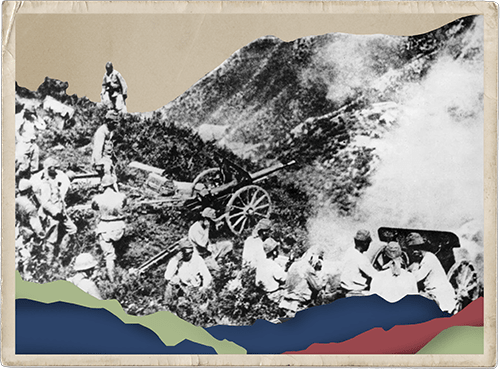
Understanding the Battle of Hong Kong
To understand the Battle of Hong Kong and Canada’s role in the Pacific during the Second World War, we must first gain some general knowledge and understanding of why the war happened and how it affected the entire world, including Asia and the Pacific region. This activity serves both as a way to introduce World War II to your students and as a quiz for our exhibition Impossible Odds: The Battle of Hong Kong.
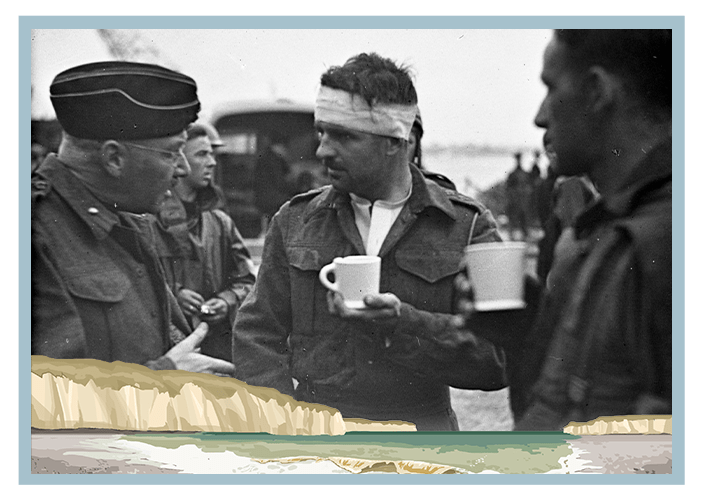
Kahoot!: WWII and the Dieppe Raid
To understand the Dieppe Raid, we must first gain some general knowledge on why World War II happened and how it affected the entire world. In this activity, students will use the historical method, situate in time and space and gain a better understanding of Canada’s involvement in the war through an interactive online timeline and a Kahoot! game.