
During the First World War, in addition to the combatants, dozens of committed civilians played a crucial role in the war effort: honorary captains. These religious men braved war to offer important spiritual support to thousands of soldiers. In this article, discover the importance of the often overlooked contributions of those who supported the troops without ever holding arms.
In the Great War we have a tendency to focus on the men with weapons performing heroic deeds and facing the enemy. Our reminisce forget there were other people besides combatants in the War. The Canadian Army Service Corps (CASC), Canadian Forestry Corps (CFC), Canadian Army Medical Corps (CAMC) and others played a vital role providing services to men at the front. They took care of the men’s physical needs, but our focus is the oft-forgotten group that served an entirely different function. They were there to provide spiritual and emotional support as members of the clergy.
At the outbreak of war, as young men rushed to the colours, so did men of the cloth. As part of the Canadian Chaplain Services, they went for as many reasons as the ordinary enlistees: imperialistic duty, adventure, glory, or calling. This blog will briefly examine three of these Honorary Captains.
The first thing to clear up is why they were ‘Honorary Captains’. Most simply put this was to recognize their standing in the community by treating them as officers in the Canadian Expeditionary Force (CEF). The reason it is honorary is they were not part of the line of command, and had no command functions. They were treated as officers, but not as combatants. They were to act as advisors to all officers and other ranks.
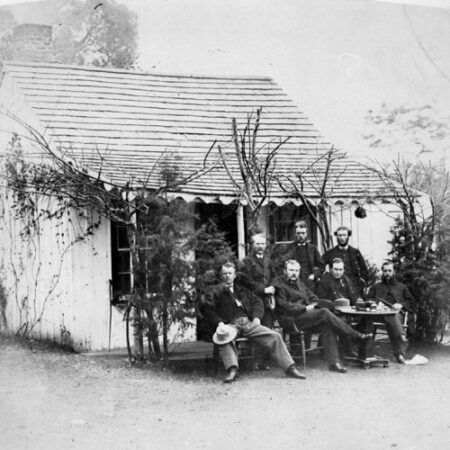
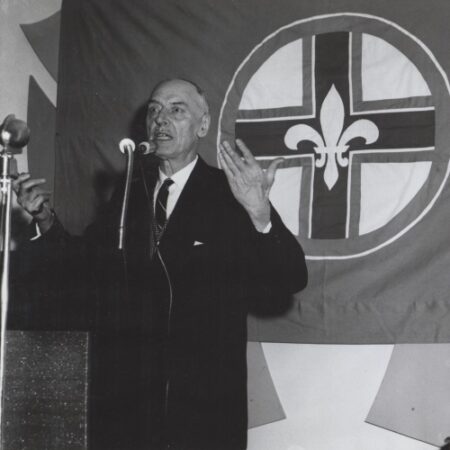
We are going to briefly look at three of the most famous Chaplains of the Great War: Canon Frederick George Scott, CMG DSO, Father Benedict Joseph Murdoch and Reverend William Andrew White. Each of these men bring with them unique perspectives on the war and their part in it. Equally importantly, they all left us a written record of their activities during the war.
Read the rest of the article on Honouring Bravery
Article written by Kris Tozer for Honouring Bravery.