

This activity consists of a reading of relevant excerpts from an article on the War Measures Act, accompanied by questions for the students to answer. We then suggest avenues of debate for the class. The debate topics encourage students to think critically about the events of the crisis and make connections with current events.
This activity was designed to accompany our Our Soldiers in the Streets: The 1970 October Crisis exhibit. The exhibition is also available for free to your school by completing our reservation form.
The activities in our module can be used individually, or in sequence. The sequential approach will allow students to explore this fascinating subject, while leaving ample room for their curiosity and their desire to deepen their knowledge. If the teacher wishes to use the four activities together, we suggest the following progression: “Timeline: Understanding the October Crisis“, “Analyzing and Interpreting Sources“, “War Measures Act Debate” and “Letter to a Loved One“.
Activity content
This activity is divided into two parts that students can access using the student guide. In the first part, students will form groups and answer a series of short questions about the War Measures Act. These questions will help them prepare for the second part of the activity: a class debate. Students will debate specific issues with their group and then discuss their points of view with the rest of the class.
The teacher’s guide describes the educational objectives of the activity and provides the necessary corrections. The guide also helps them facilitate classroom discussions by providing them with pre-written questions.
Activity objectives
The goal of these activities is to allow secondary cycle two students to have a greater understanding of the October Crisis and its impacts in the province of Quebec. Students will thus be able to better understand the political context in Quebec, Canada, and internationally at the time.
These activities were created as educational tools to complement the Quebec Education Program of secondary 4 History and secondary 5 History of the 20th and Contemporary World courses. In addition, these activities can also be used as language tools in the following courses: Francais langue maternelle (in secondary 3, 4 and 5), Français, secondary language, English, secondary language (in secondary 3, 4 and 5) and English Language Arts.
Activities you might also like
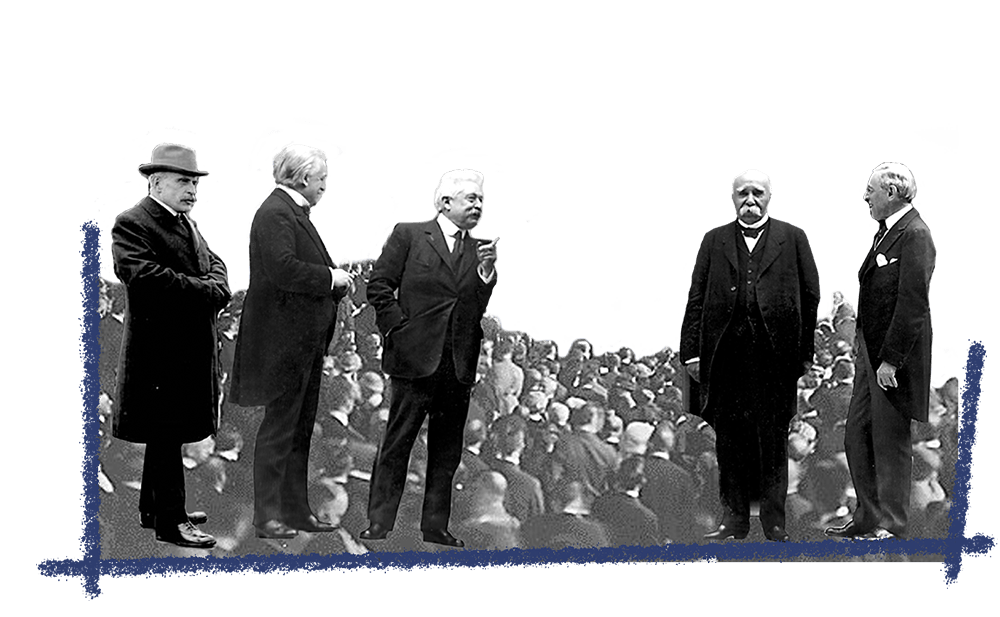
Renegotiate the Treaty of Versailles
More than 100 years ago, the negotiations for the Treaty of Versailles were under way at the Paris Peace Conference. Lasting 6 months and involving 32 countries and territories, the Paris Peace Conference and its resulting treaty have always been controversial. According to some historians, the punitive clauses of the Treaty of Versailles may have contributed to the outbreak of the Second World War. How do we teach this difficult and controversial document to our students? This historical role-playing game lets students come up with their own conclusion to the war while demonstrating the difficulties of diplomatic negotiation and teaching about the conflicting hopes and expectations that shaped this important document.
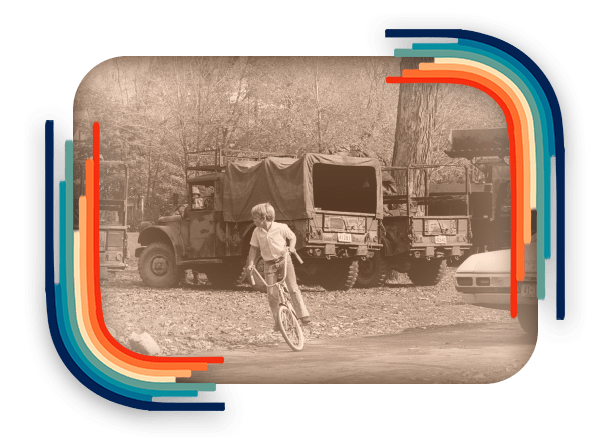
Letter to a Loved One
The October Crisis affected thousands of people who experienced it in very different ways. This exercice puts a little educational spin for a role-playing activity! In it, after conducting their own researches, the students must write a letter to a person of their choice, while pretending that they are one of four characters we provide that are living through the October Crisis.

Consensus Building Jirga: To intervene or not?
What was 9/11? How did it change the world forever? What is NATO? What happened in Afghanistan’s history that led to war?Students will engage in a consensus building activity to exercise their critical thinking skills involving Canada’s involvement in Afghanistan and the War on Terror.