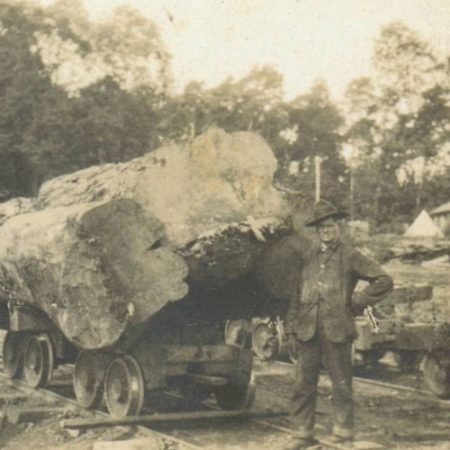
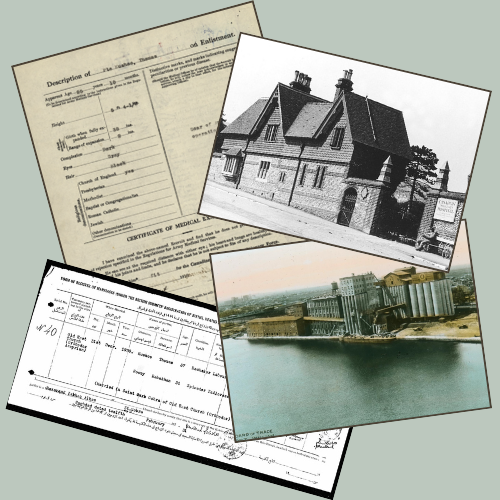
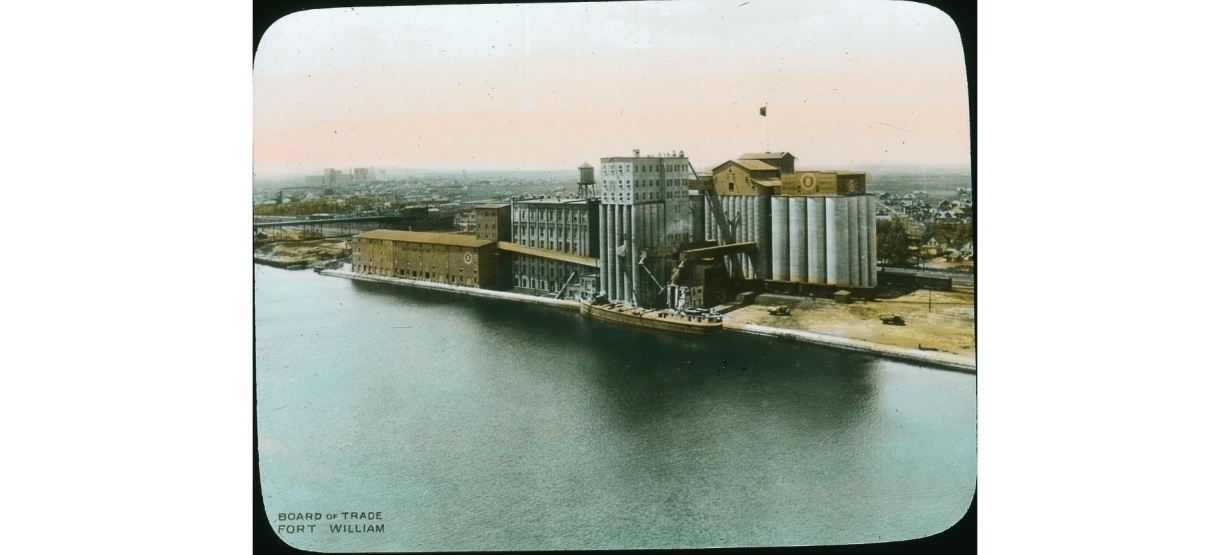
Kushoo Thoms (AKA Kushoo Thomas) was born in Urmia, in northern Persia (Iran) in 1893. While we don’t have records of his exact immigration date, he arrived in Canada around the year 1913. He settled in Fort William (now Thunder Bay), where he worked as a grain elevator labourer at the Olgilvie Flour Mill.
Although the reasons for his immigration to Canada are unknown, he was Assyrian and may have chosen to leave Urmia to escape ethnic and religious persecution. The early 20th century was a dark time for Assyrians living within the Ottoman Empire and in neighboring Persia. The rise of the Young Turks movement and Turkish nationalism led to increasing anti-Christian sentiment and violence. By the beginning of the First World War, the Assyrian genocide (known as the Sayfo) had begun. Hundreds of thousands of Assyrians were killed or displaced by Ottoman forces. While just beyond the borders of the Ottoman Empire, Assyrians in Urmia and other Persian border communities were also targeted in the Sayfo.
Although Thoms was now in Canada and away from the ethnic violence happening in his homeland, his immediate family remained in Urmia. After the Russian Revolution in 1917, the Russian military, who had been occupying Persia since 1909, was forced to leave the country. The resulting power vacuum led to increased violence and eventually an Ottoman invasion of Urmia by July 1918. The news from Persia must have deeply affected Thoms. Although he was not a British subject, he decided to voluntarily enlist in H company, 1st Depot Battalion of the Manitoba Regiment on June 27, 1918, in Port Arthur, Ontario.
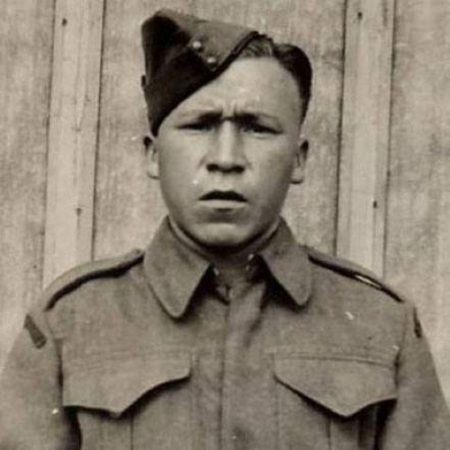
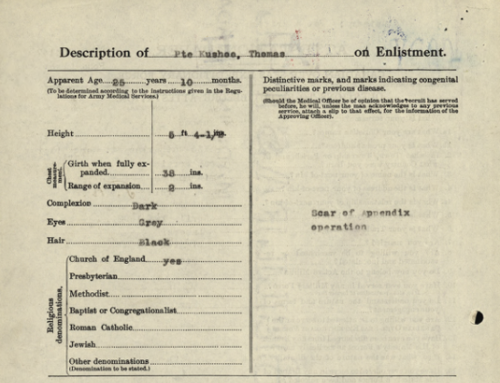
While there are no identifiable images of Thoms, his personnel record of his service in the war provides us with some information on his appearance. He was 5 foot 4.5 inches tall and 144 pounds. He had a dark complexion, brown eyes and a scar from an appendectomy that he had in 1916. Although not noted on his medical examination upon enlistment, other documents in his file note that he had small tattoo markings on three of his fingers on his right hand. These likely were rushma, a traditional type of tattoo used in some Assyrian communities at the time.
Read the rest of the article on Honouring Bravery
Written by Anthony Badame for Honouring Bravery.