
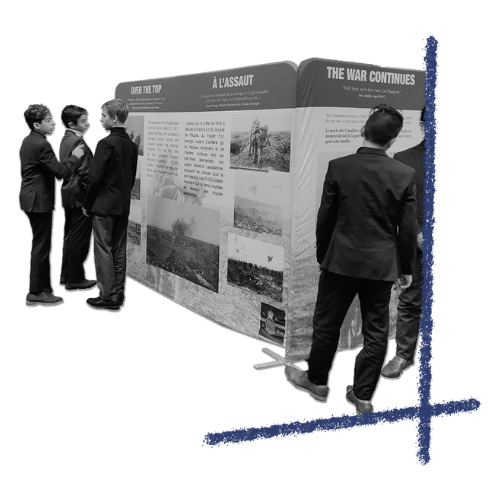
Regiments on the Ridge traces the history of the First World War, from its beginnings to its aftermath, with a particular focus on the Battle of Vimy Ridge and its significance in the course of the conflict. It follows the journey of several soldiers from the Royal Montreal Regiment and the Royal 22nd Regiment, from their enlistment to their demobilization. Discover also our quiz activity that accompanies our exhibition!
This activity was first designed to accompany our travelling exhibition Regiments on the Ridge. The exhibition is available for free to your school by completing our reservation form. It should be noted that in 2025, we released a new version of our virtual exhibition, now entitled Mobilizing a Country: Canada and the First World War. The latter is also suitable for this activity.
How to book our exhibition Regiments on the Ridge?
To host one of our traveling exhibitions at your institution, simply fill out our reservation form with your contact information, reservation dates, and requested materials. Alternatively, you can also contact us at to make your reservation. Once you have filled out the form, we will contact you by email: please check your spam folder so you don’t miss our message!
Our exhibit Regiments on the Ridge consists of 12 panels measuring 6 feet by 8 feet wide. Each panel contains a metal frame to assemble and a canvas to install over it. No tools are required! See how to assemble a panel in our video.
Finally, check out our exhibition kit for more information!
Quiz activity
Each exhibit comes with its own quiz activity to help your students understand the information provided. Our quiz, found in the student guide, offers nine short questions and one long question and provides a comprehensive summary of the entire exhibit.
Please note that there is no need to print the provided student guide, as it can now be completed directly from your computer! To use the fillable function, be sure to download the PDF and use the appropriate software.
Activity objectives
The goal of these activities is to allow secondary cycle two students to have a greater understanding of World War I and Canada and Quebec’s role in the conflict. More specifically, this activity serves to better understand the importance and impact of the Treaty of Versailles in the 20th century history.
Through this activity, students will practice the intellectual skills required by the Quebec Ministry of Education’s Secondary 4 curriculum by analyzing primary and secondary historical documents. More specifically, this activity is part of the “First World War” section of the Quebec school curriculum. Finally, students will also develop their knowledge of Quebec and Canadian history through the competencies promoted by the Quebec Education Program:
- Characterizes a period in the history of Québec and Canada
- Interprets a social phenomenon
This activity is also suitable for secondary 5 students and the 20th century history course through the following competencies:
- Characterizes a historical turning point
- Interprets a social phenomenon using the historical method
Activities you might also like
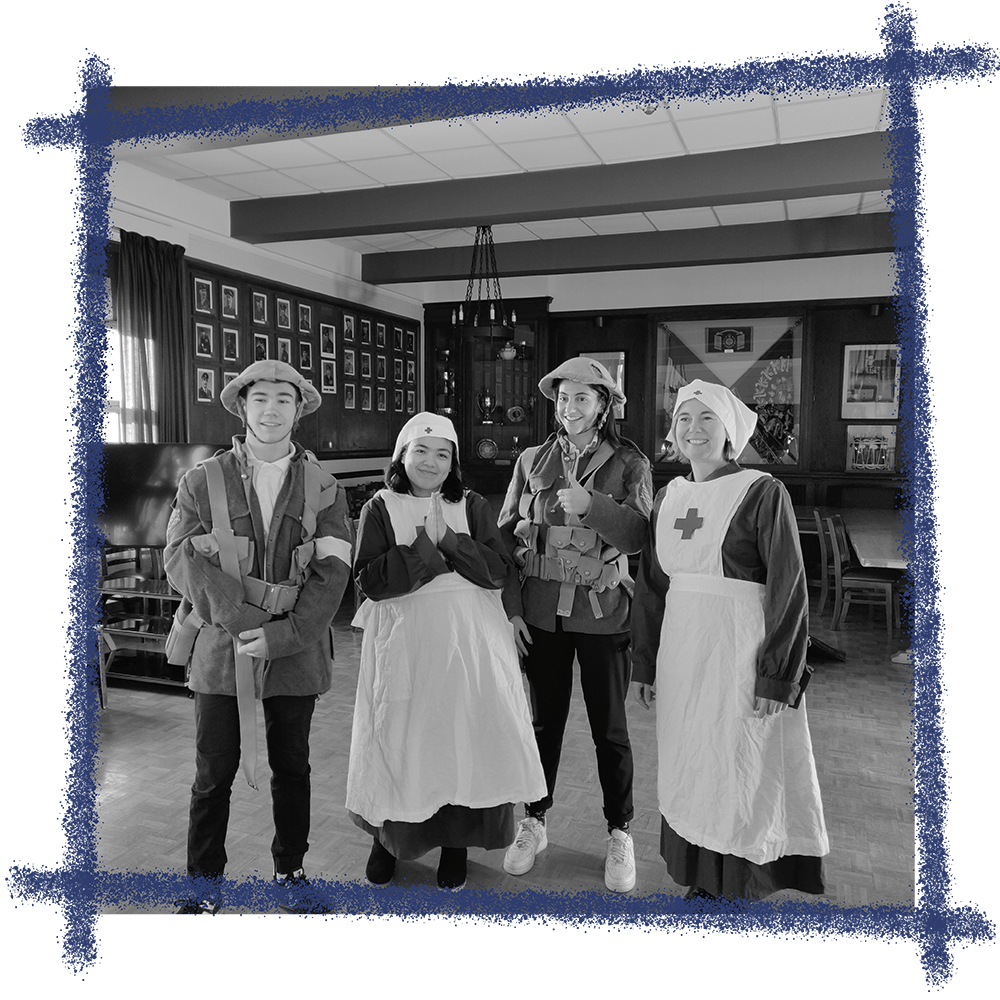
Replica uniforms from the First World War
Get the chance to interact with our replica uniforms from the Great War! In addition to our travelling exhibits, we lend both a soldier’s and a nurse’s uniform so that students can picture how people dressed during wartime. The uniforms offer a small insight into the daily lives of the ordinary people who participated in this unprecedented event.
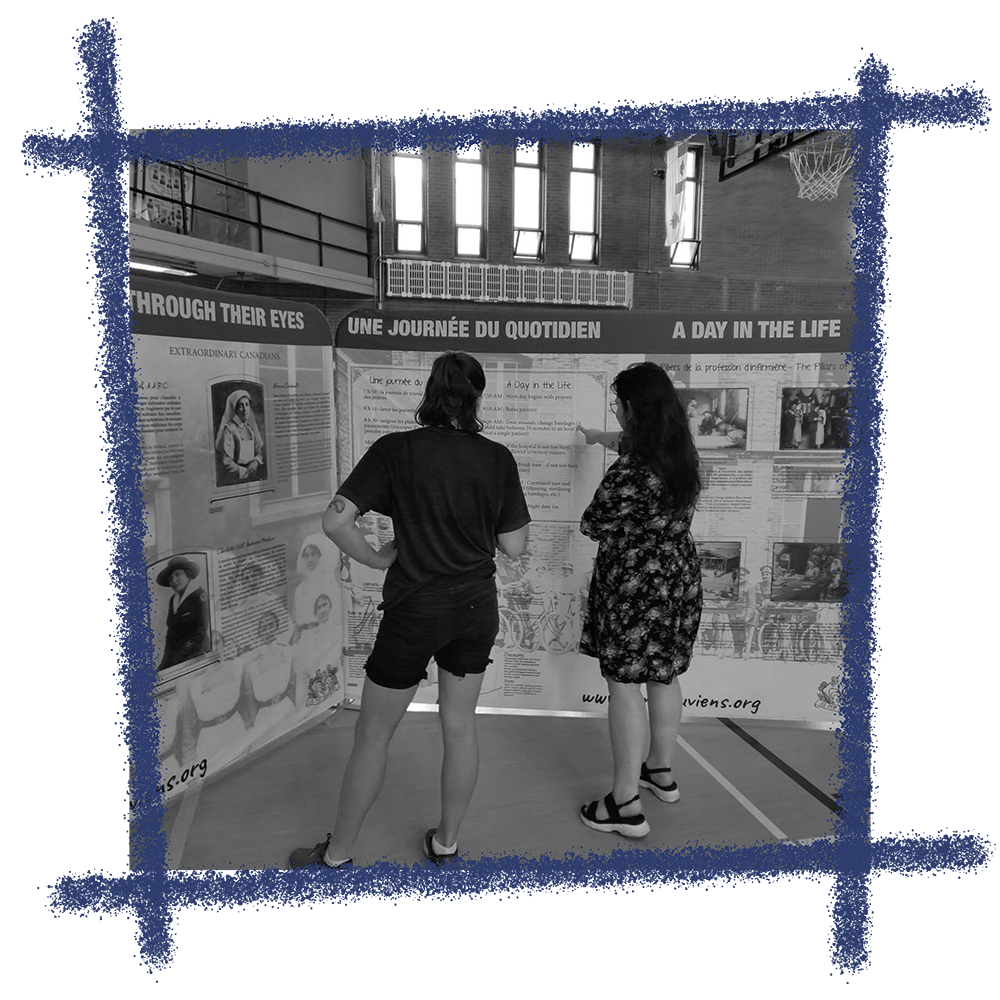
Exhibition “They Cared: the Origins of Military Nursing”
Nurses have long been the backbone of military medical corps, with Canadian women serving courageously from the 19th century onward. Our exhibition They Cared traces the birth of military nursing where it presents the journey of several military nurses during the First World War and the continued contributions of the nursing profession to society.
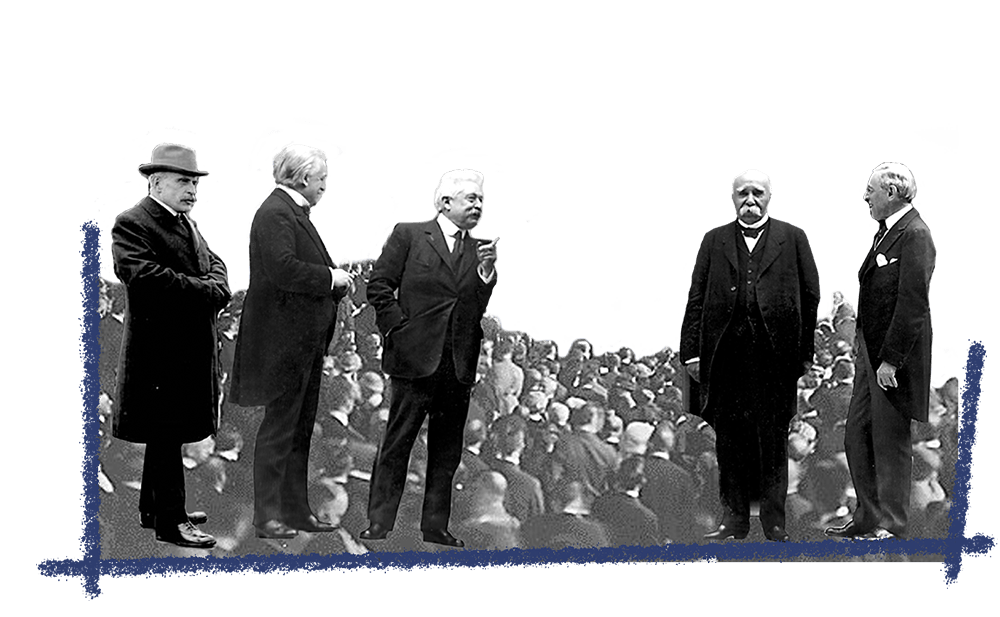
Renegotiate the Treaty of Versailles
More than 100 years ago, the negotiations for the Treaty of Versailles were under way at the Paris Peace Conference. Lasting 6 months and involving 32 countries and territories, the Paris Peace Conference and its resulting treaty have always been controversial. According to some historians, the punitive clauses of the Treaty of Versailles may have contributed to the outbreak of the Second World War. How do we teach this difficult and controversial document to our students? This historical role-playing game lets students come up with their own conclusion to the war while demonstrating the difficulties of diplomatic negotiation and teaching about the conflicting hopes and expectations that shaped this important document.