
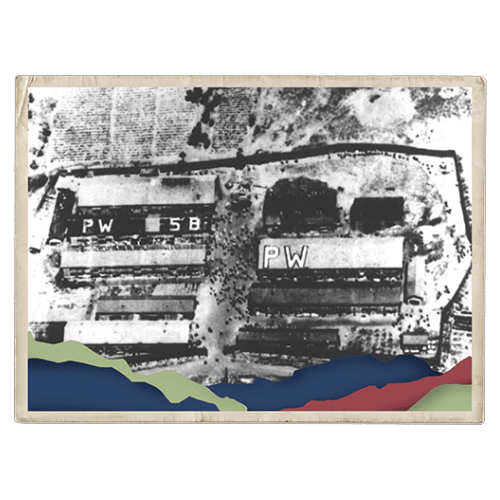
Conditions in prisoner-of-war camps were very harsh. In this activity, students learn about the rules established by the Geneva Convention and compare them with the treatment of prisoners of war in Japanese camps. Afterwards, they are invited to discuss their research together.
This activity was first designed to accompany our exhibition Impossible Odds: the Battle of Hong Kong. The exhibition is also available for free to your school by completing our reservation form.
Activity content
Through the questionnaire found in the student guide, students will learn about the 1929 Geneva Convention’s rules of war and implication on international politics. They will then choose one article from the convention and compare it with the actual treatment a Canadian experienced in a POW camp. Students will critically analyze the international law and how it was applied, or not, in the experience of a Canadian in a POW camp in either Hong Kong or Japan. Finally, they will debate the implications of international law on individual rights and whether or not past wrongs can be forgiven.
The teacher’s guide describes the educational objectives of the activity, gives the correct answers and provides the necessary corrections.
Activity objectives
The goal of these activities is to allow secondary cycle two students to have a greater understanding of World War II and Canada’s role in the Battle of Hong Kong. Students will also learn to appreciate the contributions of Canadian Armed Forces personnel from Quebec.
These activities were created as educational tools to complement the Quebec Education Program of secondary 4 History and secondary 5 History of the 20th and Contemporary World courses. In addition, these activities can also be used as language tools in the following courses: Francais langue maternelle (in secondary 3, 4 and 5), Français, secondary language, English, secondary language (in secondary 3, 4 and 5) and English Language Arts.
Activities you might also like
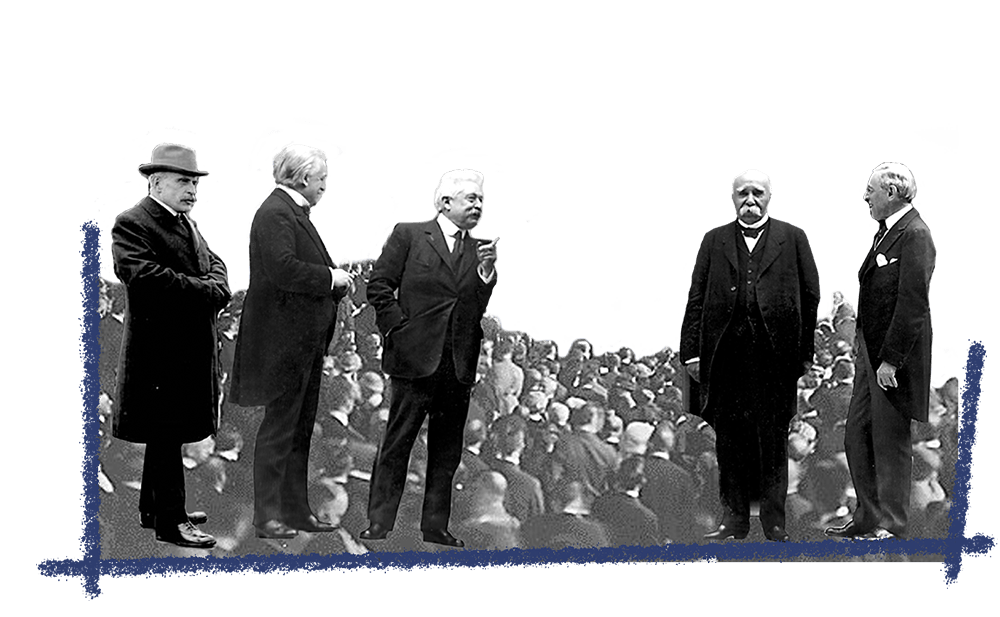
Renegotiate the Treaty of Versailles
More than 100 years ago, the negotiations for the Treaty of Versailles were under way at the Paris Peace Conference. Lasting 6 months and involving 32 countries and territories, the Paris Peace Conference and its resulting treaty have always been controversial. According to some historians, the punitive clauses of the Treaty of Versailles may have contributed to the outbreak of the Second World War. How do we teach this difficult and controversial document to our students? This historical role-playing game lets students come up with their own conclusion to the war while demonstrating the difficulties of diplomatic negotiation and teaching about the conflicting hopes and expectations that shaped this important document.

Timeline: Understanding the October Crisis
The October Crisis is a complex event with, in reality, many important moments! In this activity, students will summarize and put in order various events related to the October Crisis, as well as associate each one with a photo or video from the archives.
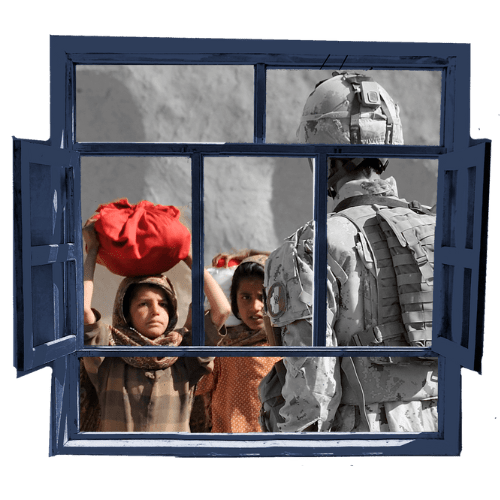
Canadians in Afghanistan
What did Canada exactly do in Afghanistan? Running from 2002 to 2019, Canada’s involvement in Afghanistan is one of its most important in its history… but also one of the least known. In this activity, students answer a series of questions and definitions, and watch various testimonials from military personnel sent to Afghanistan. By filling in the questionnaires and discussing together in class, students can reflect and exchange views on this significant episode in recent Canadian history.