

The October Crisis affected thousands of people who experienced it in very different ways. This exercise puts a little educational spin for a role-playing activity! In it, after conducting their own research, the students must write a letter to a person of their choice, while pretending that they are one of four characters we provide that are living through the October Crisis.
This activity was designed to accompany our Our Soldiers in the Streets: The 1970 October Crisis exhibit. The exhibition is also available for free to your school by completing our reservation form.
The activities in our module can be used individually, or in sequence. The sequential approach will allow students to explore this fascinating subject, while leaving ample room for their curiosity and their desire to deepen their knowledge. If the teacher wishes to use the four activities together, we suggest the following progression: “Timeline: Understanding the October Crisis“, “Analyzing and Interpreting Sources“, “War Measures Act Debate” and “Letter to a Loved One“.
Activity content
The teacher’s guide allows teachers to support students during the activity. For example, we suggest starting the activity with a video of the FLQ manifesto being read or by showing caricatures from the period using our digital media file. The guide also describes the educational objectives of the activity and provides the necessary corrections. We suggest allowing three periods to complete this activity: two periods for research and one for writing the letter.
The student guide supports students in their research before writing their letters. It includes a list of online sources, a historical context sheet to fill out, and a presentation guide for a bibliography. After completing their research, students must then write their letters embodying one of four proposed characters: a member of law enforcement, a political prisoner, a government employee, or a journalist.
Activity objectives
The goal of these activities is to allow secondary cycle two students to have a greater understanding of the October Crisis and its impacts in the province of Quebec. Students will thus be able to better understand the political context in Quebec, Canada, and internationally at the time.
These activities were created as educational tools to complement the Quebec Education Program of secondary 4 History and secondary 5 History of the 20th and Contemporary World courses. In addition, these activities can also be used as language tools in the following courses: Francais langue maternelle (in secondary 3, 4 and 5), Français, secondary language, English, secondary language (in secondary 3, 4 and 5) and English Language Arts.
Activities you might also like
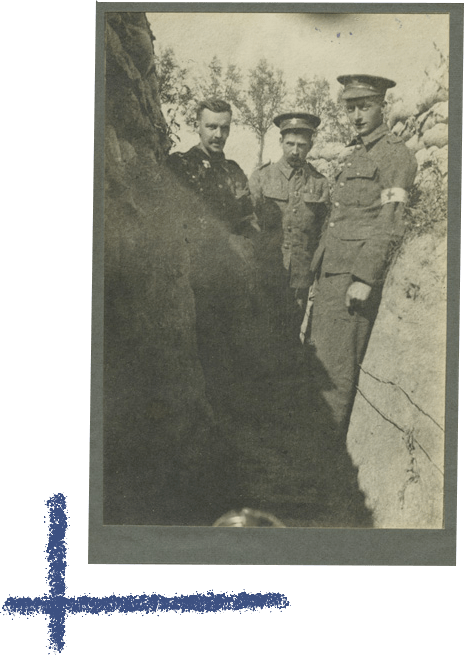
Poetry from the Trenches
Writing poetry was very common amongst young people one hundred years ago. In fact, many men wrote poetry during the War to distract themselves and to even deal with their emotions regarding what they were seeing and experiencing around them. Students will now have to write their own poem! This will allow them to express their opinions and feelings about the war, a specific topic or about someone who sacrificed themselves.
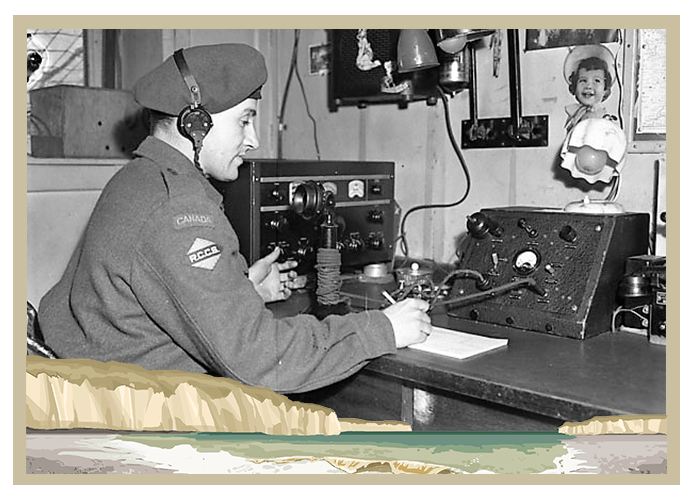
Why Don’t We Learn About the Dieppe Raid in School?
Why isn’t the Dieppe Raid taught in schools? Students will be encouraged to critically analyze why this chapter of Canadian military history is not included in the QEP by determining causes, consequences, and connections between facts by expressing their points of view in the form of a podcast or expository essay.
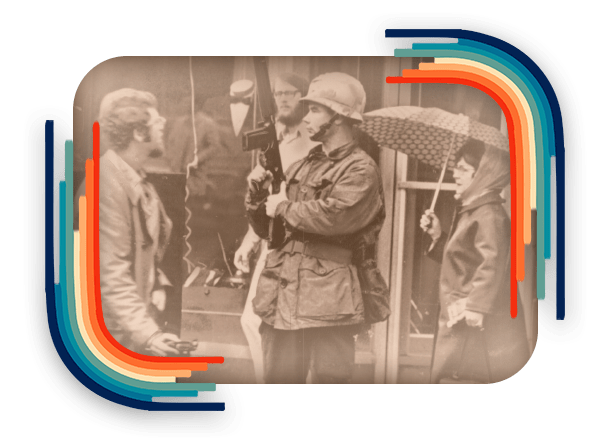
Analyzing and Interpreting Sources
In a context where we are increasingly exposed to fake news, it is essential for students to develop healthy research habits. This activity gives students the tools and skills to research and analyze historical and academic sources. Students have to research three different sources related to the October Crisis of 1970 and analyze them using the historical method interpretation tool.