
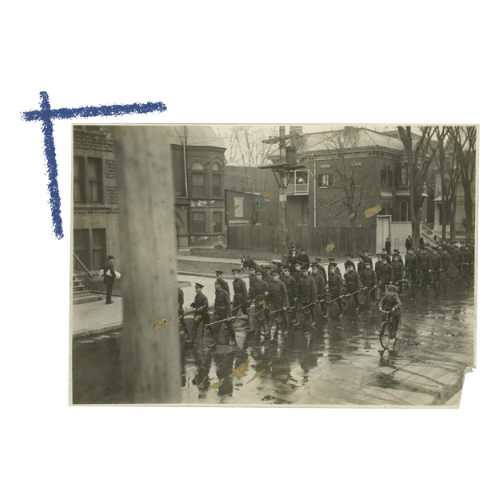
The aim of this activity is to help students understand the challenges that many communities faced after the war as they tried to go back to normal life in their countries. First, the students work in groups to analyze and summarize a series of articles before discussing them with the class. Then, the teams must create a short video or oral presentation on a community they analyzed.
This activity was first designed to accompany our travelling exhibition Regiments on the Ridge. The exhibition is available for free to your school by completing our reservation form. It should be noted that in 2025, we released a new version of our virtual exhibition, now entitled Mobilizing a Country: Canada and the First World War. The latter is also suitable for this activity.
Activity content
After the arduous, frustrating and violent return to Canada at the end of the war, men and women faced the challenge of reintegrating into Canadian society, finding jobs and leaving the wounds of war behind. Many groups faced discrimination, prejudice and searched for their place in the “new” Canada.
Teachers will split students into groups of two to three to analyze and summarize the following articles, in order to understand the various challenges many groups of Canadians faced at the end of the war and their return to life in Canada. Using the student guide, each group will share their findings with the class. The articles are:
- Aboriginal Canadians: First Nations Contributions to WWI and WWII: Lest we forget
- Black Canadians: 100 Years ago today, Canada’s black battalion set sail for WWI and made history
- Chinese Canadian Veterans: Battling enemies overseas, fighting racism on home front
- Japanese Canadians: New plaque honours Japanese-Canadian WWI veterans
- Role of Women: Firing Lines: How three Canadian women became war reporters in WWI
- WWI Racism: Black, Asian, Aboriginal volunteers faced discrimination
Please note that there is no need to print the provided student guide, as it can now be completed directly from your computer! To use the fillable function, be sure to download the PDF and use the appropriate software.
Supplementary activity
At the conclusion of the main activity, or as an alternative, students can create a public service announcement video: “A Minute in Canadian History.” Teachers can first show examples from Historica Canada of Heritage Minutes, like their video Valour Road, to inspire students on the format of their own video. The focus of the PSA will be to inform their peers of the contributions of the group they chose and their role or treatment during and after the First World War.
As with the main activity, students will be asked to choose one of the minorities listed above, and the teacher will distribute the articles or provide the links to enable them to conduct their research.
Activity objectives
The goal of these activities is to allow secondary cycle two students to have a greater understanding of World War I and Canada and Quebec’s role in the conflict. More specifically, this activity serves to better understand the importance and impact of the Treaty of Versailles in the 20th century history.
Through this activity, students will practice the intellectual skills required by the Quebec Ministry of Education’s Secondary 4 curriculum by analyzing primary and secondary historical documents. More specifically, this activity is part of the “First World War” section of the Quebec school curriculum. Finally, students will also develop their knowledge of Quebec and Canadian history through the competencies promoted by the Quebec Education Program:
- Characterizes a period in the history of Québec and Canada
- Interprets a social phenomenon
This activity is also suitable for secondary 5 students and the 20th century history course through the following competencies:
- Characterizes a historical turning point
- Interprets a social phenomenon using the historical method
Activities you might also like
Renegotiate the Treaty of Versailles
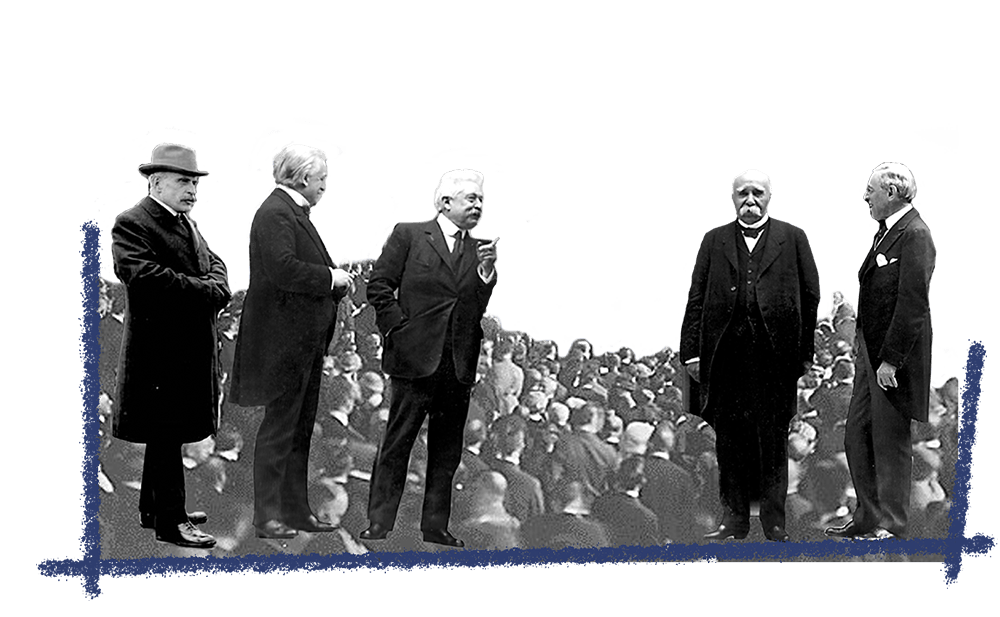
More than 100 years ago, the negotiations for the Treaty of Versailles were under way at the Paris Peace Conference. Lasting 6 months and involving 32 countries and territories, the Paris Peace Conference and its resulting treaty have always been controversial. According to some historians, the punitive clauses of the Treaty of Versailles may have contributed to the outbreak of the Second World War. How do we teach this difficult and controversial document to our students? This historical role-playing game lets students come up with their own conclusion to the war while demonstrating the difficulties of diplomatic negotiation and teaching about the conflicting hopes and expectations that shaped this important document.
Diversity and Discrimination in WWII
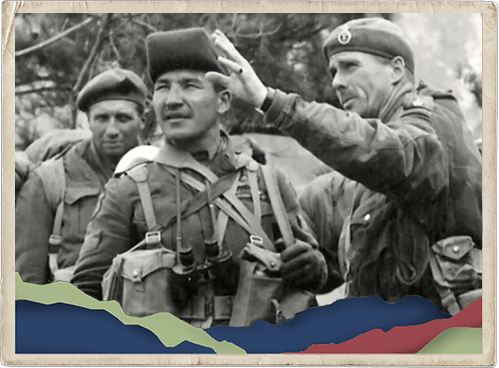
This activity will allow students to gain an appreciation and understanding of the contributions of Canadians that are not often portrayed in their textbooks. Students will develop their critical thinking skills through document analysis and research, while practicing cross-curricular competencies.
War on Terror and Media Literacy
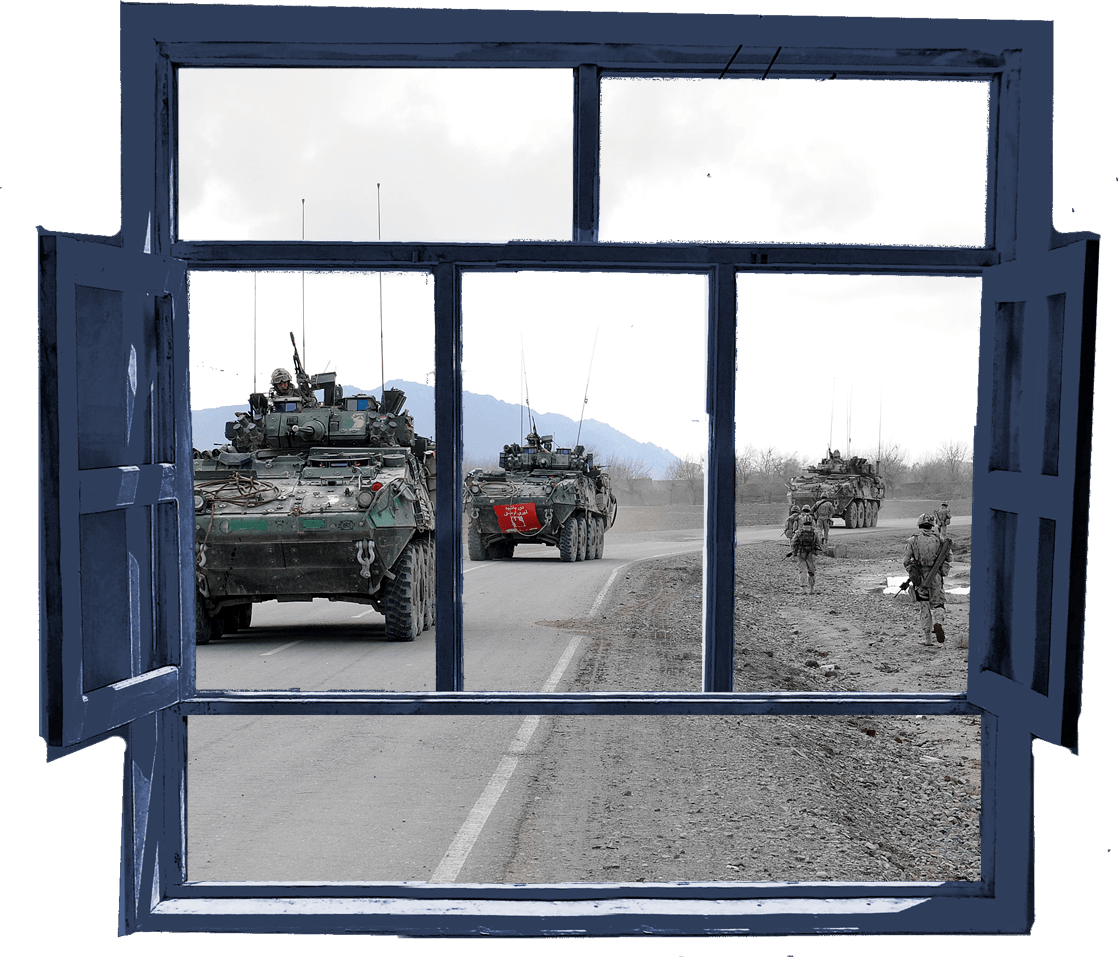
The following activity is designed to help develop students’ digital media literacy skills. Media literacy is a crucial component to developing students critical thinking skills in an increasingly digitized world. The now-common phrase “fake news” has proliferated in popular culture and has increased the need to guide students as they decipher whether information on social media is credible or not and how it can be used to inform or deliberately deceive the reader.