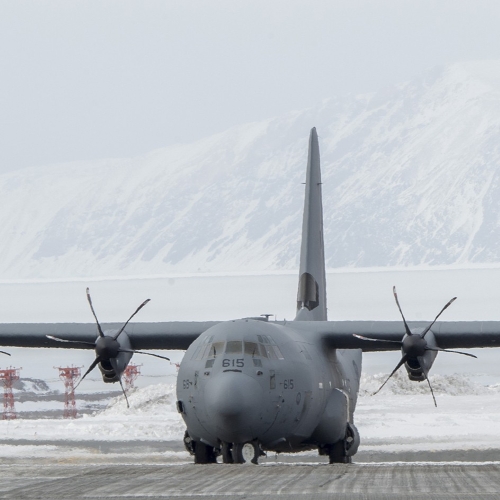
When we think of military aircraft, a machine that inevitably comes to mind is the mighty C-130 Hercules! This leviathan of the skies is highly versatile and essential for many missions at home and abroad. With 60 countries having used it since the Cold War, the Hercules is the most widely used aircraft in the world and one of the oldest still in service!
A little history of a huge airplane
The Hercules was designed in the early 1950s by the United States, which decided to modernize its air fleet after the end of the Berlin Blockade (1948-1949) and before the start of the Korean War (1950-1953). The country notably needed an assault aircraft that could carry 64 paratroopers, take off on unprepared runways, and fly with one engine off. The United States government thus turned its attention to the Lockheed YC-310 prototype, which had its first flight on August 23, 1954.
The first C-130A aircraft were officially commissioned in 1956 by the United States. And since its introduction, the plane has had remarkable success! The Hercules aircraft have indeed been used in numerous combat operations, as well as in rescue and humanitarian aid missions. Today, the aircraft is operated in nearly sixty countries, but Canada was among the first to use it with its first Hercules received in 1960. The Royal Canadian Air Force (RCAF) indeed purchased four C-130B models on that year. The Hercules is by no means a thing of the past, however! The RCAF still operates several models: 12 C-130s and 17 C-130J Super Hercules, its most recent model.
Design
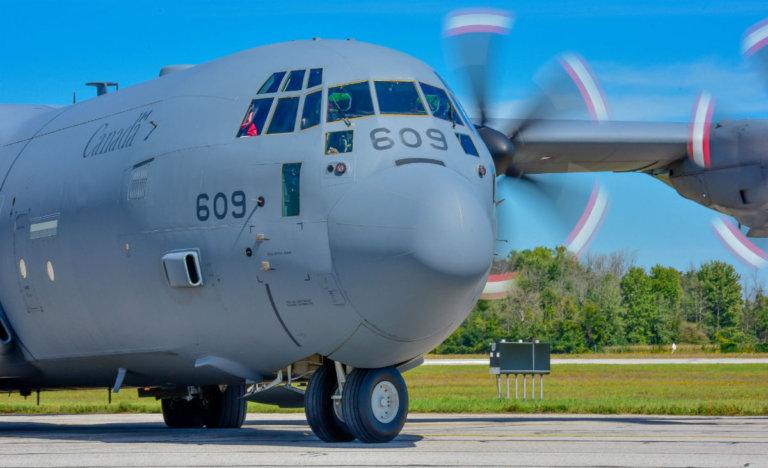
The Hercule’s design makes it extremely versatile, as a large door and a ramp at the back make it easier to load and unload bulky materials. Deliveries can also be parachuted down to the ground if the plane has nowhere to land.
As a military aircraft, the Hercules is also capable of transporting large numbers of troops for a variety of operations, from landing to parachute drops.
Applications of the Hercules
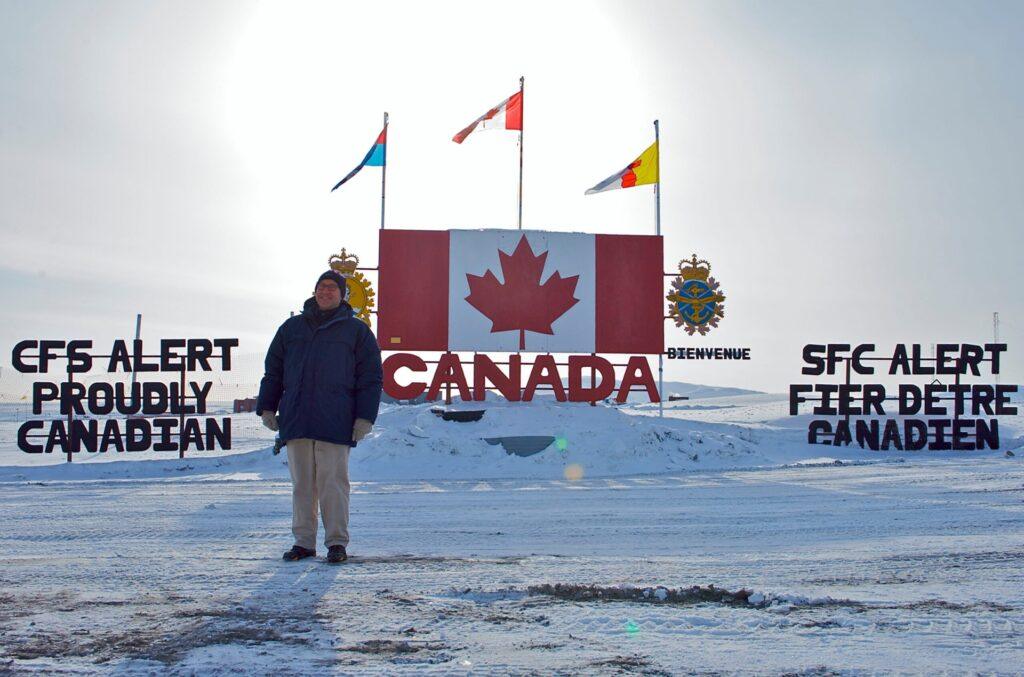
The Hercules is above all a military transport aircraft. With its incredible size, it can deliver all sorts of merchandise, from tanks and aircraft to equipment. It was also used to deliver materials to build, in 1958, the Canadian Forces Station Alert in Nunavut. At 2,388 km from Yellowknife, this station is the northernmost inhabited place on Earth. It has a Canadian military base and a station of the Meteorological Service of Canada. For many years, the only way for soldiers to make their way to Alert for their jobs was on board the Hercules!

The Hercules is also used for search and rescue and aerial refuelling missions. For many people in distress around the world, the distinctive sound of an approaching Hercules plane is a true relief. In Canada, for example, many of these aircraft are used to fight forest fires in the northern part of the country.
A New Model
A new Airbus called the CC-295 will join the Canadian fleet in the next few years. Its arrival will mark the end the Hercules’ amazing history with the RCAF. However, Canadians will still get to admire the aircraft, as it will continue to fly across the country for years to come.
Three aircraft are currently on display at various museums across the country: at the National Air Force Museum of Canada in Trenton, the Greenwood Military Aviation Museum in Greenwood, and the Canada Aviation and Space Museum in Ottawa. If you get the chance, be sure to go see them!
Article written by Emilie Bernier for Je Me Souviens. Translated by Amy Butcher (www.traductionsamyb.ca).
Sources:
- “Canadian Forces Station Alert“, Gouvernement du Canada/Government of Canada.
- “Lockheed C-130 Hercules“, Wikipedia.
- “Royal Canadian Air Force“, Gouvernement du Canada/Government of Canada.
- “The Mighty Hercules celebrates 60 years in the RCAF“, Gouvernement du Canada/Government of Canada.
- “Visite à la station d’Alert, l’endroit habité le plus au nord de la planète“, Radio-Canada (in french).