
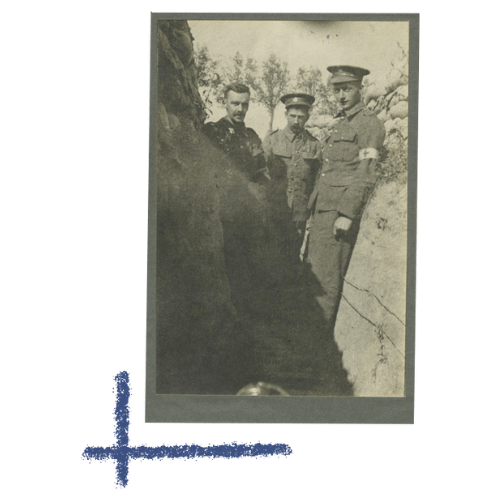
Writing poetry was very common amongst young people one hundred years ago. In fact, many men wrote poetry during the war to distract themselves and to even deal with their emotions regarding what they were seeing and experiencing around them. Students will now have to write their own poem! This will allow them to express their opinions and feelings about the war, a specific topic or about someone who sacrificed themselves.
This activity was first designed to accompany our travelling exhibition Regiments on the Ridge. The exhibition is available for free to your school by completing our reservation form. It should be noted that in 2025, we released a new version of our virtual exhibition, now entitled Mobilizing a Country: Canada and the First World War. The latter is also suitable for this activity.
Activity content
This activity is divided into two parts. In the first part, students will brainstorm ideas to prepare them to write their own poem. They will be encouraged to answer various reflective questions to inspire them before they start writing. Finally, in the second part of the activity, students will write their poem!
The student guide provides students with guidance during the activity. Some tips on writing free verse poems can be found at powerpoetry.org or at whenyouwrite.com.
Please note that there is no need to print the provided student guide, as it can now be completed directly from your computer! To use the fillable function, be sure to download the PDF and use the appropriate software.
Supplementary activity
In preparation for this activity, we suggest having the class read a poem written during World War I. Teacher can choose which examples to show, but we suggest John McCrae’s “In Flanders Fields”. Students can read it individually, in pairs, or as a whole class. Students will then answer questions to better understand the poem they read.
- Who is the author?
- What physical aspects of their surroundings are they describing?
- What emotional aspects are they describing?
- Who is the intended audience?
- What is the purpose of this poem?
- Write down what comes to mind as you read the poem. How does the poem make you feel?
Activity objectives
The goal of these activities is to allow secondary cycle two students to have a greater understanding of World War I and Canada and Quebec’s role in the conflict. More specifically, this activity serves to better understand the importance and impact of the Treaty of Versailles in the 20th century history.
Through this activity, students will practice the intellectual skills required by the Quebec Ministry of Education’s Secondary 4 curriculum by analyzing primary and secondary historical documents. More specifically, this activity is part of the “First World War” section of the Quebec school curriculum. Finally, students will also develop their knowledge of Quebec and Canadian history through the competencies promoted by the Quebec Education Program:
- Characterizes a period in the history of Québec and Canada
- Interprets a social phenomenon
This activity is also suitable for secondary 5 students and the 20th century history course through the following competencies:
- Characterizes a historical turning point
- Interprets a social phenomenon using the historical method
Activities you might also like
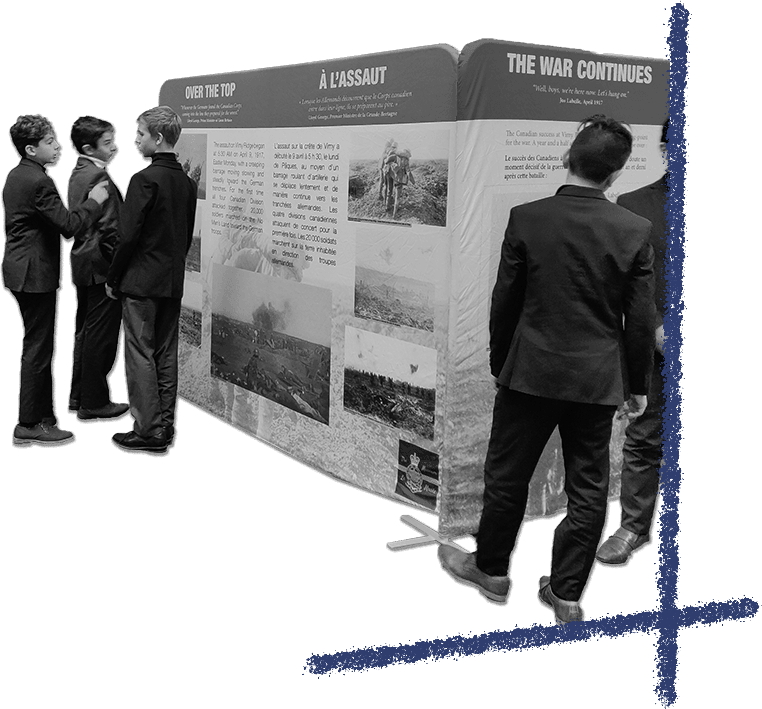
Travelling exhibition “Regiments on the Ridge: 100 years after the Battle of Vimy Ridge”
Regiments on the Ridge traces the history of the First World War, from its beginnings to its aftermath, with a particular focus on the Battle of Vimy Ridge and its significance in the course of the conflict. It follows the journey of several soldiers from the Royal Montreal Regiment and the Royal 22nd Regiment, from their enlistment to their demobilization. Discover also our quiz activity that accompanies our exhibition!
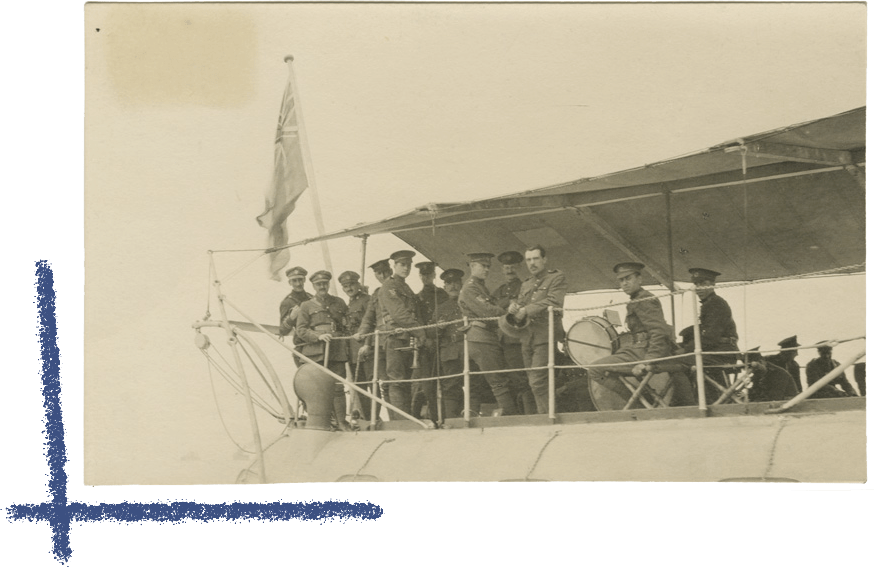
Llandovery Castle: Tragedy at Sea
In this activity students will learn about the tragedy of Llandovery Castle. Students will use article analysis to understand the chaos of the attack and to understand the war crimes of the Germans as the case of Llandovery Castle later set a precedent in war crimes trials.
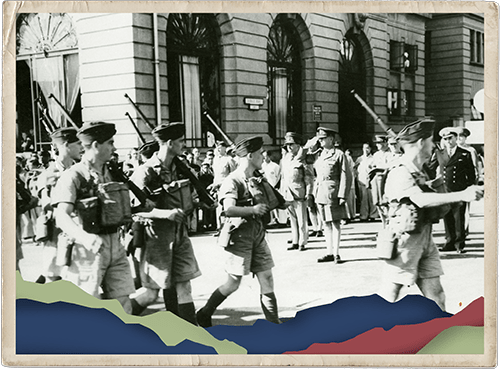
Canadians Remembered: Profile of a Canadian Soldier
Canada’s first engagement in land combat during WWII occurred in the Battle of Hong Kong. 1,973 men and two women (nursing sisters) arrived in the British colony of Hong Kong in November 1941 and defended the colony valiantly before Britain surrendered the colony on December 25, 1941. But who were these Canadians? What were their experiences like? In this activity students will create a profile of a soldier (or nurse) and outline their experiences in the army, in Hong Kong, as prisoners of war and after their return to Canada.