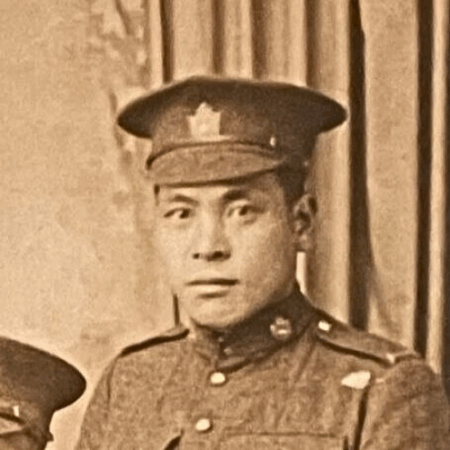
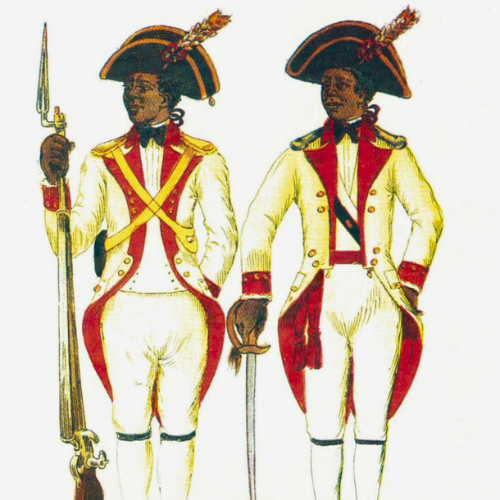
Did you know that many black people enlisted as soldiers during the French regime in the 17th and 18th centuries? It was indeed common in the French colonies for Black people—whether free or enslaved—to join local militias, either for pay or out of obligation.
During the colonization of Africa, it was very common for the French to employ indigenous people—whether free or enslaved—to assist them with various tasks, such as serving as guides, laborers, or soldiers. This is how the Senegalese Tirailleurs were founded during the 19th century. Prior to that, during the 18th and 19th centuries, we can also mention the “laptot”: Africans employed on a temporary basis for one task or another in the service of France.
Things were a little different in North America under French rule, however. A much more common practice in French Louisiana than in New France (where the Black population was much smaller), it sometimes happened that freed slaves joined the local militias to defend the French territories.
To this end, several wealthy French colonists even pleaded with the French king to encourage the practice of slavery in North America. In fact, in addition to being able to serve and work for them, the French colonists also sought to have slaves fulfill a third function: that of protecting them.
Were they volunteers or not? It’s hard to say, given the lack of information. However, it’s safe to assume that the slaves didn’t have much of a choice!
Nevertheless, this practice became more widespread in the United States and English-speaking Canada in the early 19th century. As the practice of slavery declined in these areas, it became increasingly common for black people, freed or not, to enlist in the military in the hope of earning a decent wage, benefits, or outright freedoms!
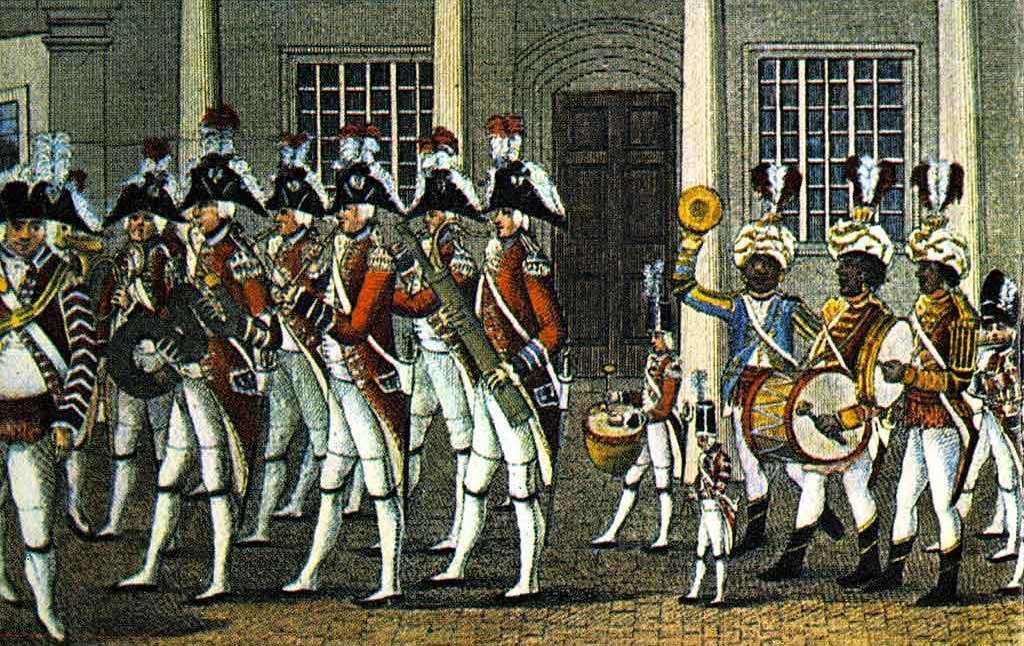
Cover photo: Free men enlisted in the Portuguese colonial army in Brazil during the 18th century (source: Black Perspectives).
A video edited and narrated by Aglaé Pinsonnault, and researched and written by Julien Lehoux for Je Me Souviens.